
Why Being Visible Feels So Hard
Spoiler: Your Visibility Struggles Aren’t a Confidence Problem

Think About It
“Our deepest fear is not that we are inadequate. Our deepest fear is that we are powerful beyond measure” - Marianne Williamson
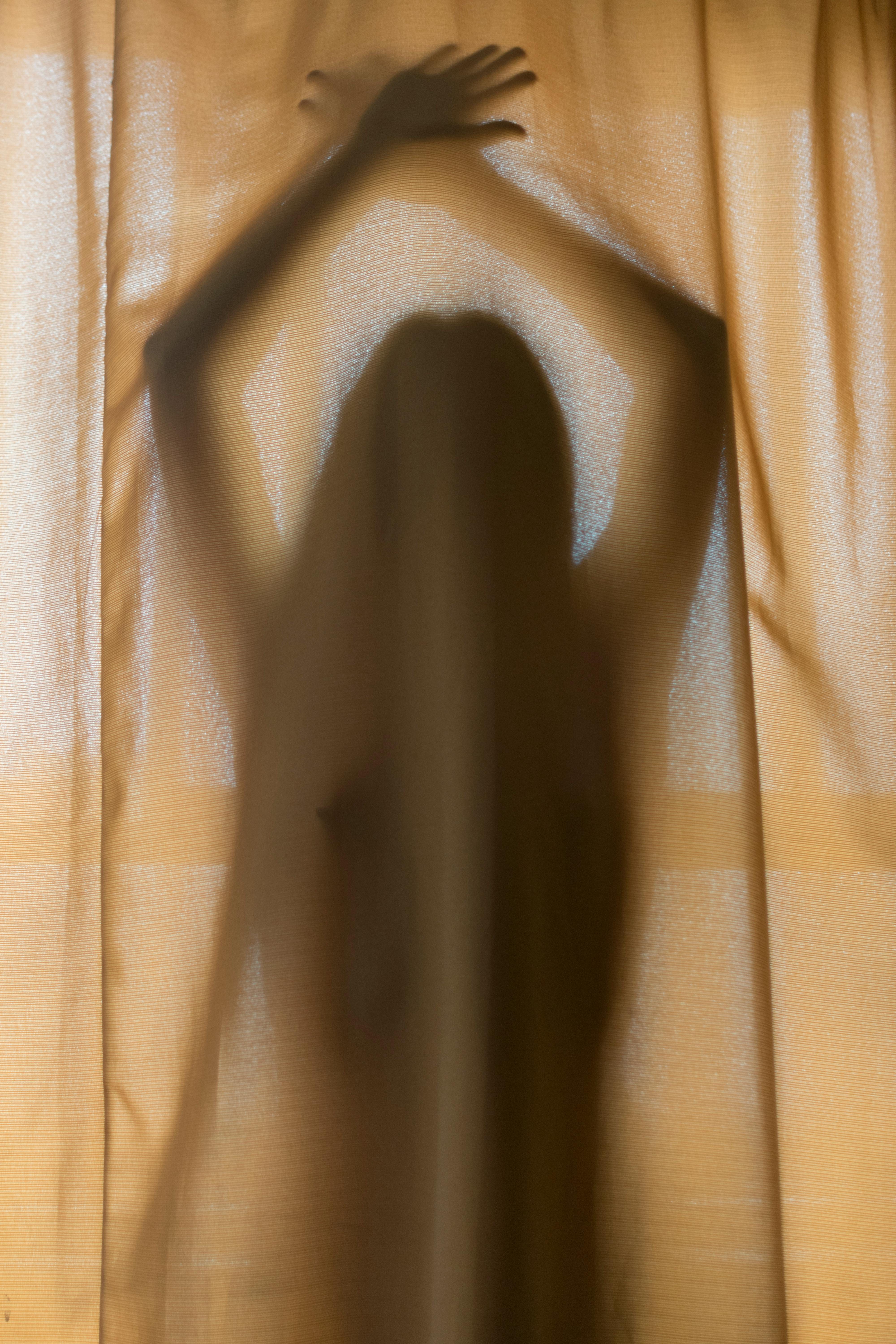
There was a period in my life when being seen felt easy. I spoke freely. I shared my ideas without rehearsing them first. I didn’t worry much about how I would be perceived or whether I was saying the “right” thing. Visibility didn’t feel like something I had to earn or manage. It just felt natural.
That changed over time.
Age, responsibility, social media, and cultural pressure slowly crept in. I became more aware of how quickly women are judged, misunderstood, or flattened into versions of themselves that feel easier for others to digest. I started editing myself before I spoke. I thought more about how things would land than whether they were true. Visibility stopped feeling expansive and started feeling risky.
What I now understand is that I didn’t lose my confidence. I just learned to protect myself.
Visibility isn’t a mindset issue
We’re often told that if visibility feels hard, we just need to be braver. More confident. Less afraid of judgment. But for many women, that advice doesn’t work, not because we’re resistant, but because it misunderstands the problem. Visibility isn’t just psychological. It’s physical.
Your body remembers past moments of exposure: criticism, misinterpretation, backlash, or being told you were “too much.” Even if those moments weren’t dramatic, they taught your nervous system something important, that being seen can come with consequences.
So when you think about posting online, pitching yourself, speaking on a panel, or naming your work clearly, your body tightens. You hesitate. You overthink. You delay. Not because you don’t want visibility, but because part of you is trying to stay safe.
My own visibility work
At the beginning of last year, I hired a social media coach to help me become more visible. I wanted accountability, structure, and tools. And that support helped a lot. I learned how to talk about my work more clearly, how to show up more consistently, and how to stop waiting for perfect clarity before taking action.
But even with those tools, something still felt off.
I could follow the strategies, but visibility often felt like performance. I was “doing it right,” but not always feeling grounded or authentic while doing it.
That’s when I realized the work I still needed to do wasn’t more strategy. It was embodiment.
I had to slow down and ask different questions: What actually feels good to me? What pace is sustainable? What does it feel like to be seen in a way that doesn’t require me to override myself?
Until I answered those questions, visibility always felt like effort.
Where visibility wounds come from
If visibility feels complicated for you, that often means you’re responding to conditioning.
Many women were taught — directly or indirectly — that visibility is dangerous. That speaking up makes you a target. That sharing your story invites judgment. That confidence needs to be carefully managed, softened, or justified.
So if any of this sounds familiar, you’re not alone:
You want to share your work, but freeze when it’s time to post.
You have a business or offering, but don’t know how to talk about it without downplaying it or overexplaining.
You want to pitch yourself or be known for your expertise, but self-doubt takes over.
You keep waiting until you feel “more ready,” while knowing that moment never really comes.
These are visibility wounds. And they don’t heal through pushing harder. That’s why telling yourself to “just get over your fears and put yourself out there” never works.
What actually helps
Visibility becomes sustainable when your body feels safe, your story feels clear, and you have practical skills to support you.
That means learning how to regulate your nervous system while being seen. Learning how to tell your story without performing or perfecting it. Learning how to pitch yourself, speak publicly, and show up online in ways that feel aligned rather than draining.
This is the work I’ve been doing personally, and it’s the work I now guide others through.
The Visibility Shift
This is why I created The Visibility Shift, an 8-week group coaching experience for women creatives, leaders, founders, and experts who are ready to be seen with confidence without pushing past themselves or abandoning what feels true.
Inside the program, we work with somatic regulation, story clarity, and practical visibility skills like pitching, speaking, and showing up online. The goal isn’t louder visibility. It’s grounded visibility and the kind that feels sustainable and honest.
You don’t have to force yourself to be visible.
You don’t have to perform your way into leadership.
You don’t have to wait for permission to be seen.
The Visibility Shift begins Wednesday, February 4th, meeting weekly.
If this resonates, you can learn more and join here:
[Sign up for The Visibility Shift]
About Me
I’m Shanetta McDonald, a somatic life coach, writer, and veteran publicist who’s a guide for folks learning to live more fully in their truth. Over the past decade, I’ve helped shape the stories of changemakers, creatives, and mission-driven brands. Now, I help people—especially women—release perfection, reconnect with their bodies, and rewrite the narratives that no longer serve them.
Whether you’re a high-achiever learning to soften, a mother reclaiming herself, or a creative trying to find your voice again, you’re in the right place. My work is rooted in nervous system awareness, embodied storytelling, and the belief that your inner wisdom already knows the way.
Book your FREE introductory call today.
resonated with a lot of this, Shanetta. I've had more awareness lately over where and why this visibility wound is showing up. insightful words per usual!